
Key takeaways Hyperbaric oxygen therapy (HBOT) means breathing pure oxygen inside a pressurized chamber, which lets your blood carry far more oxygen to a wound.It is used for specific stubborn wounds, such as some diabetic foot ulcers, not for every wound.Medicare covers HBOT for diabetic foot wounds only when the ulcer is deep (Wagner grade 3 or h...
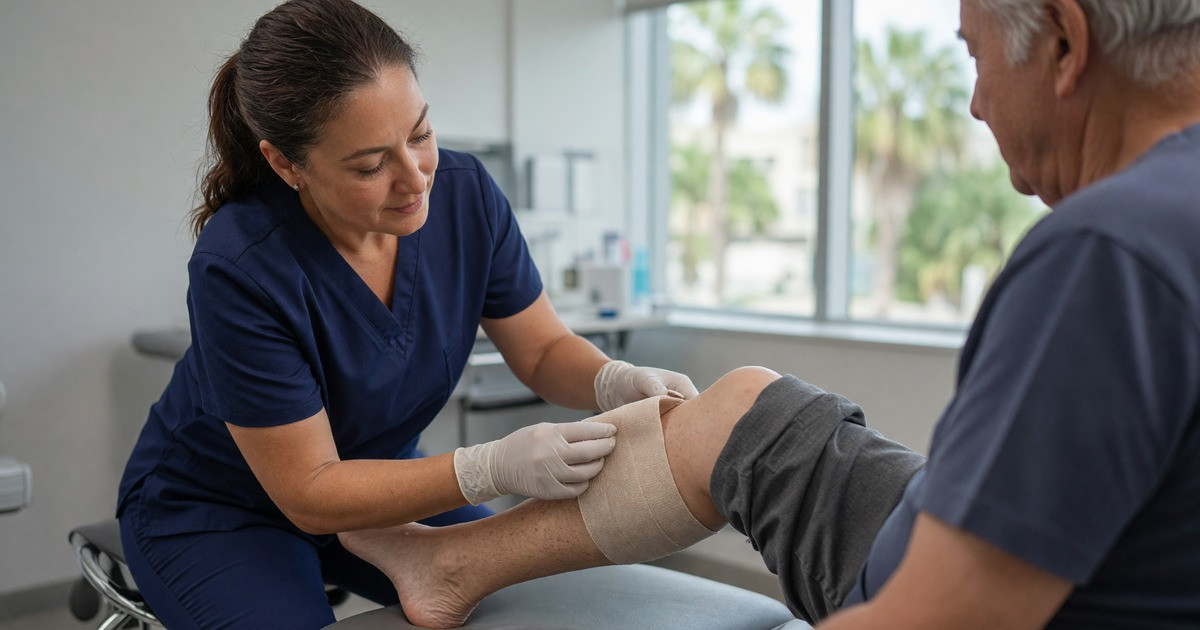
A sore on your lower leg or foot that will not heal is more than an annoyance. Leg ulcers are chronic wounds, and without the right treatment they can grow larger, become more painful and lead to infection or other serious complications. Not all leg ulcers are the same. The three most common types, venous, arterial and diabetic, have different caus...

Protein-rich foods, vitamin C, and zinc supply the building blocks for tissue repair, but nutrition alone won't resolve complex wounds. Dr. Sayyed T. Hussain at Florida Wound Care pairs dietary support with advanced therapies like debridement. Skin substitutes for diabetic foot ulcers and venous leg ulcers across Hillsborough and Pasco Counties. Pr...
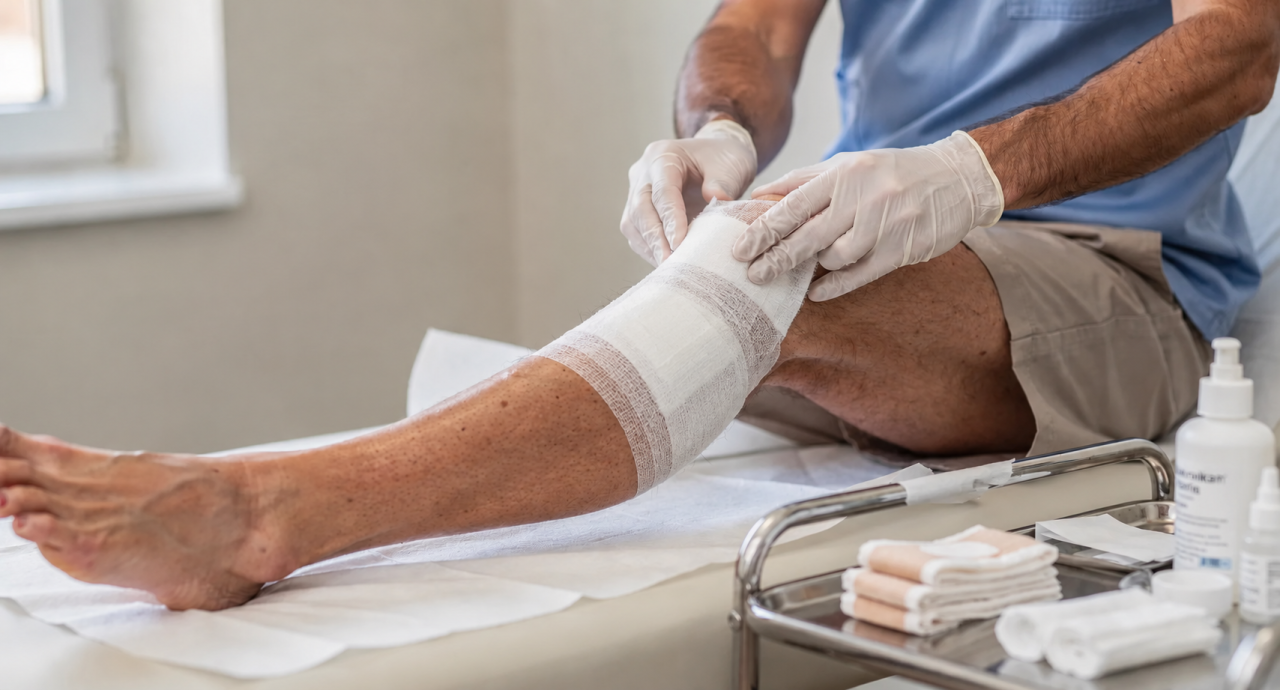
Key takeaways Diabetes, poor circulation, infection, kidney disease, poor nutrition, smoking, obesity, autoimmune disease, long-term pressure and limited mobility are among the most common reasons a wound heals slowly.A wound that is not clearly smaller after about four weeks, or that keeps getting worse, needs a medical evaluation.Treating the und...

Wound healing progresses through four overlapping phases: hemostasis, inflammation, proliferation, and maturation. Hemostasis stops bleeding through clotting; inflammation clears bacteria and debris. Proliferation rebuilds tissue with new cells and blood vessels; maturation strengthens the scar. Chronic wounds often stall in inflammation or prolife...

Warning signs of infection include pus or cloudy drainage, spreading redness, red streaks, increased swelling, worsening pain, fever, foul odor, warmth around the wound, a growing scab, and delayed healing. Diabetic foot ulcers and surgical wounds showing these signs require prompt evaluation from a physician-led wound care team, such as Florida Wo...
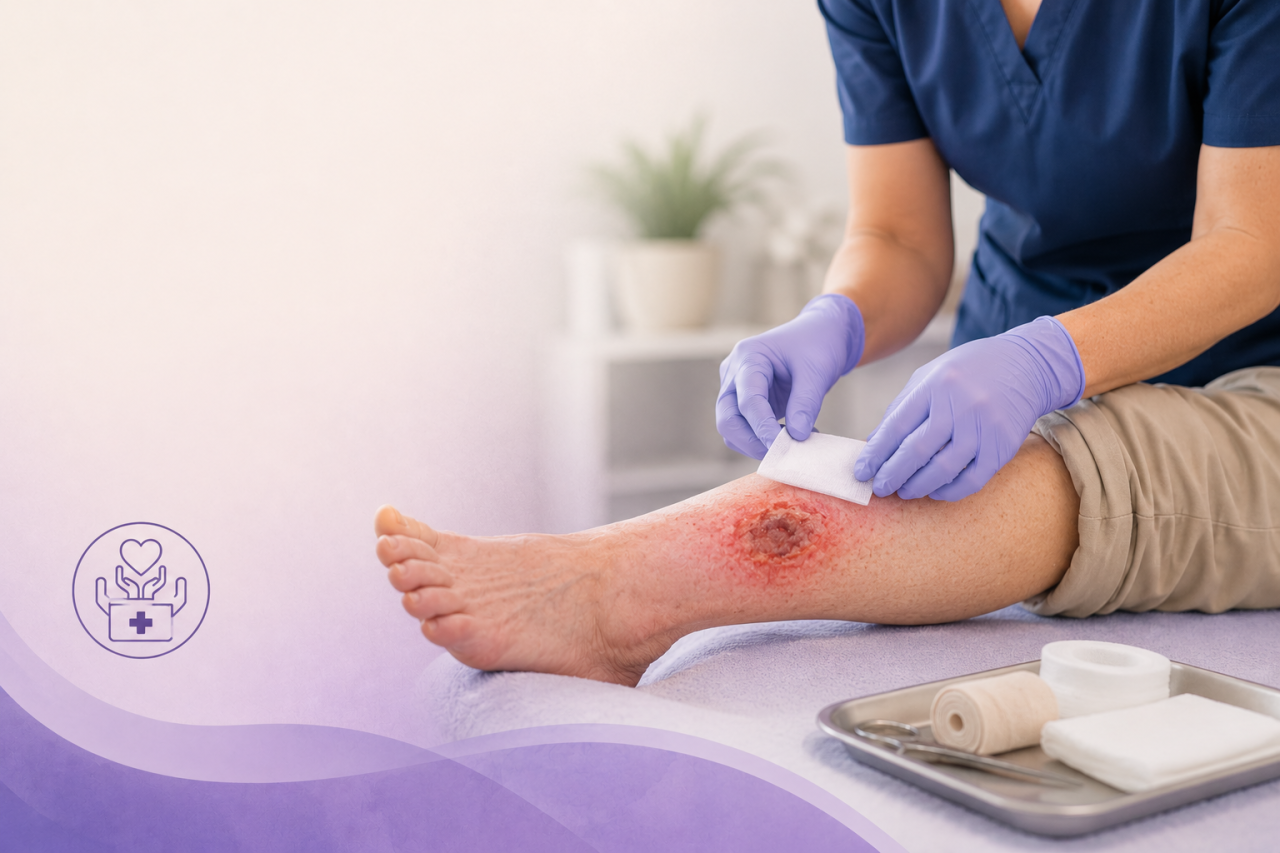
Poor circulation, infection, diabetes, or nutrient deficiency delays wound healing beyond the normal 4-week timeframe. See a doctor if a wound shows no improvement after 2 weeks or displays redness, swelling, or pus. The CDC recommends keeping wounds clean, moist, and covered while monitoring for signs of infection daily. Chronic Wounds: A wound is...
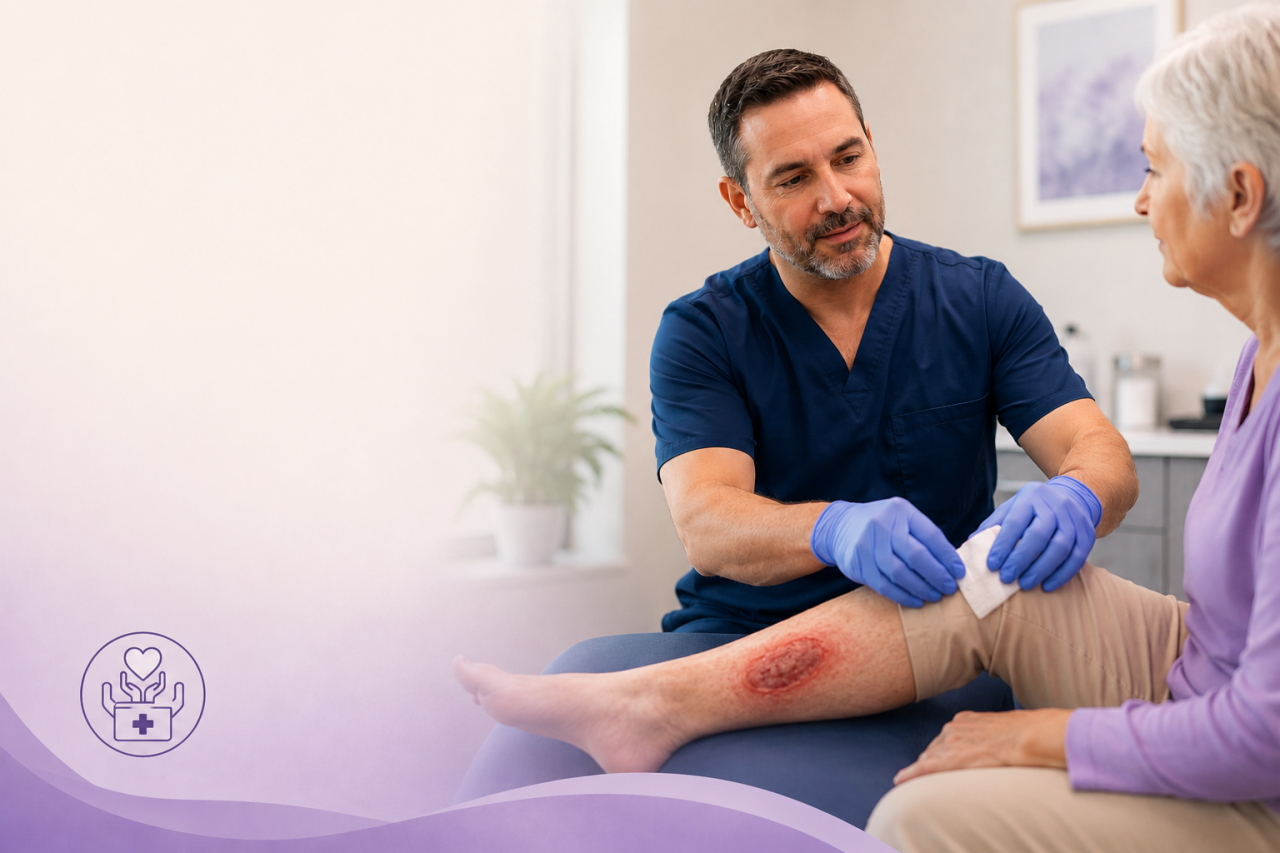
A chronic wound is an injury that fails to heal within 4 weeks despite treatment, often caused by diabetes, poor circulation, or prolonged pressure. Specialist care becomes necessary when a wound reopens, worsens, or shows signs of infection. Physician-led programs like Florida Wound Care combine advanced techniques with management of underlying co...